Ann Lee Makes Her Case
Hero Image
Hero Image
Title
Ann Lee Makes Her Case
Subhead
By Ben Elliott
Body Block 1
Flesh fills up the screen in Mona Fastvold’s The Testament of Ann Lee.
It dances, convulses, bleeds; gets caressed and assaulted; gives life, creates violence, and succumbs to death. It’s a kinetic showcase for the vessels that we touch the world with, a celebration of the joy they bring and a damnation of the pain they cause. But while bodies hold life here, The Testament of Ann Lee — like its titular founder of the Shaker movement — has its focus set on how our inner selves can be freed from our physical constraints.
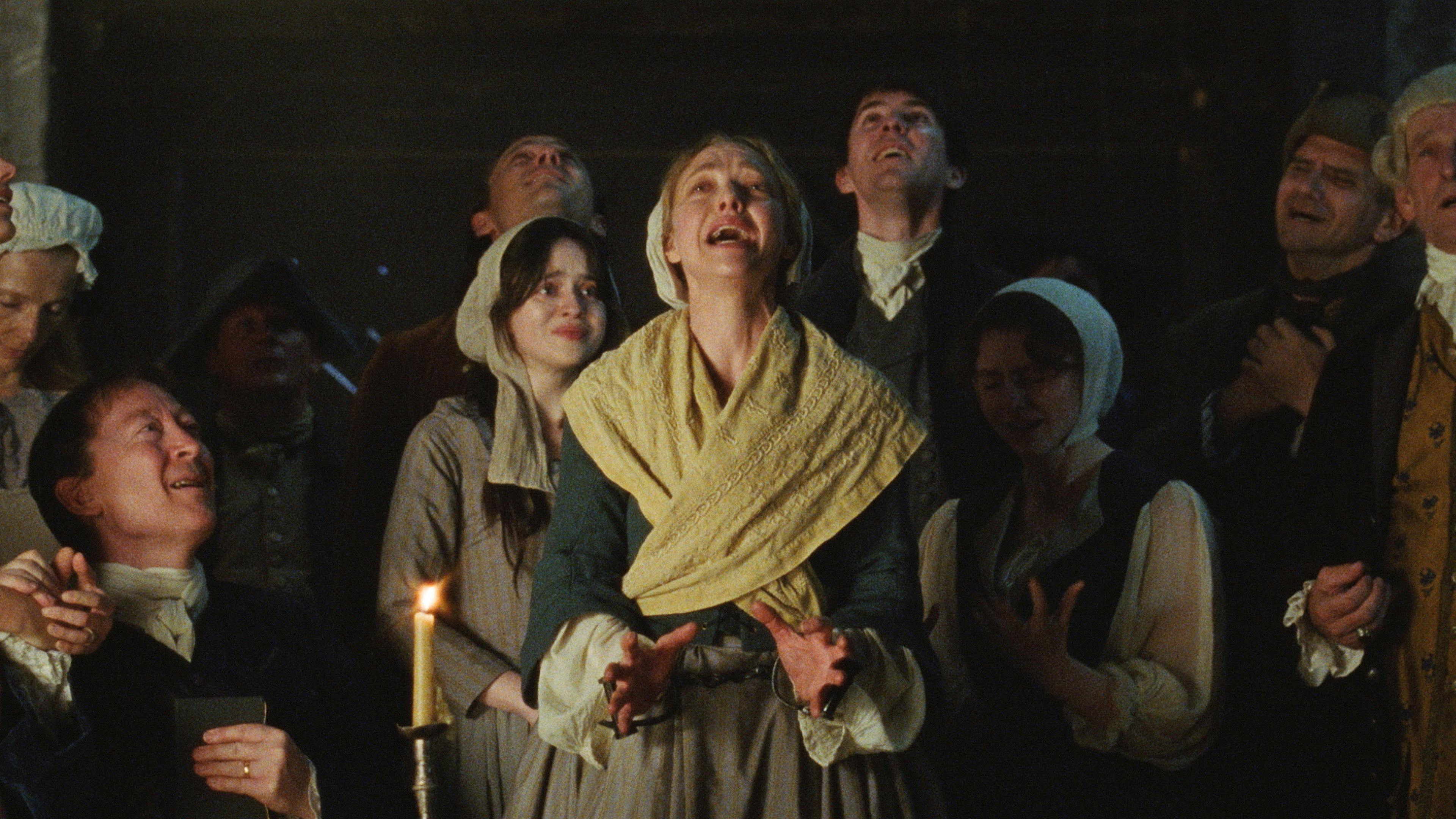 The Testament of Ann Lee, 2025
Tracing Lee’s journey from a young girl in England in the 1730s through her rise to religious leadership and eventual pilgrimage to America, Fastvold’s film never wavers from Lee’s conviction. It’s a self-assured piece of filmmaking centered around a magnetic performance from Amanda Seyfried as Lee, who commits to the role with astounding intensity. Seyfried’s Ann feels less like Ingrid Bergman’s stern nun in The Bells of St. Marys than Al Pacino’s mobster in Scarface — an immigrant blazing with confidence, determined to reshape the promise of America.
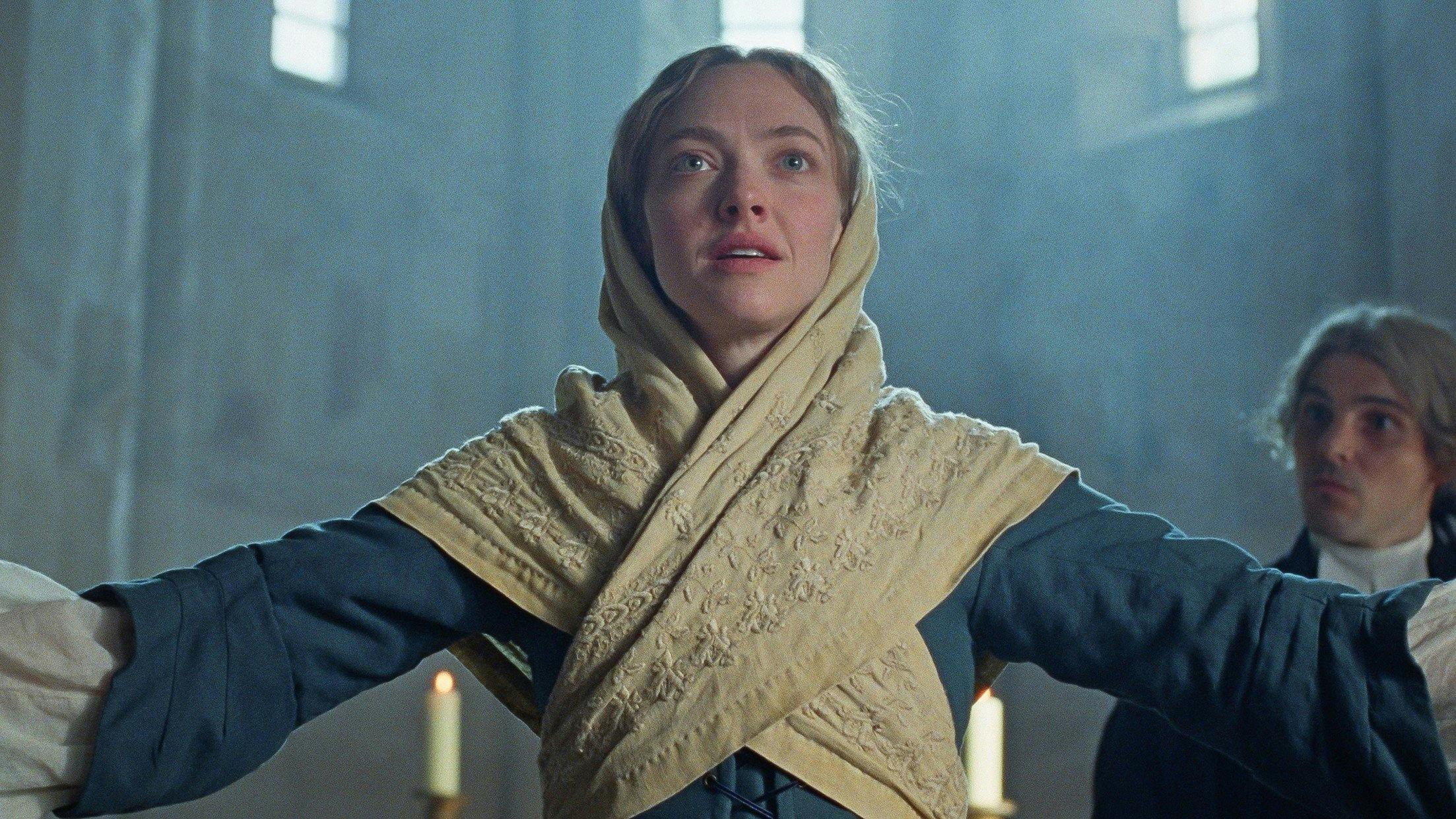
The Testament of Ann Lee, 2025
Her vision for a new world is one without sexual congress of any kind — a philosophy shaped by Lee’s past sexual trauma and the loss of four young children. That belief ultimately proved to be the Shakers’ fatal flaw; by 2026, only three practicing followers remain. But Fastvold’s beautiful film shows how Ann nevertheless built a movement that offered her followers a new way to use their bodies to connect with themselves and each other — and become more alive in the process.
Showtimes
Showtimes Minions & Monsters | 1:00PM, 3:15PM, 5:30PM, 7:45PM Disclosure Day | 1:15PM, 4:30PM Toy Story 5 | 1:30PM, 4:15PM, 7:00PM Moana | 2:00PM, 4:45PM, 7:30PM The Lost Boys | 8:00PM
Marketing Signup
Marketing Signup
Footer

Loading...